

By Dan Aldred
The world of recreation management is undergoing rapid changes, driven by shifting demographics, evolving leisure trends, and the pressing realities of climate change. Aquatic facilities, as key components of community recreation, are no exception. Facility managers, operators, and designers must embrace innovative strategies to ensure these spaces remain relevant, sustainable, and adaptable to future needs.
In the realm of aquatic engineering, the challenge of balancing initial construction costs with long-term operational savings is ever-present. Designing aquatic facilities that stand the test of time—both in functionality and cost-effectiveness—requires a forward-thinking approach, integrating durable materials and time-tested equipment, innovative technology but not bleeding-edge, and sustainability principles. This article explores the core strategies and best practices for future-proofing aquatic facilities, ensuring they remain functional and economically viable for decades.
Adapting to a Client Shift
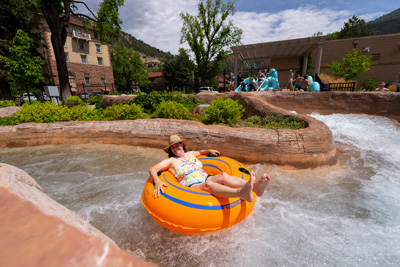
Communities around the globe experience constant demographic changes, including aging populations. Aquatic facilities must evolve to cater to this shift, ensuring inclusivity and accessibility for all age groups.
As the population ages, the demand for therapeutic and low-impact aquatic activities grows. Facilities can adapt by incorporating features such as warm water therapy pools, gentle slopes for easy access, and programs tailored to senior wellness and relaxation.
Embracing Changing Leisure Trends
Leisure trends are constantly evolving, influenced by societal shifts toward health and wellness. Aquatic facilities must evolve with these trends
to remain attractive to their demographics.
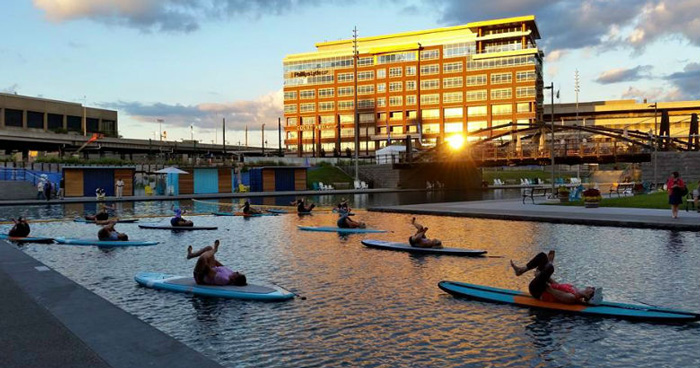
- Rise of Wellness Activities: There is a growing interest in holistic wellness, combining physical, mental, and social health. Facilities can respond by integrating wellness zones, such as meditation gardens adjacent to pools or offering yoga sessions on pool decks.
- Multi-Use Spaces: Flexible designs allow spaces to serve multiple purposes, from competitive swimming to recreational play, ensuring facilities can pivot quickly to meet new leisure trends.
Addressing Climate Change Impacts
Climate change presents challenges for aquatic facilities. Rising temperatures, increased weather volatility, and water scarcity necessitate resilient and sustainable designs.
- Resilient Infrastructure: Facilities must be built to withstand extreme weather events, using durable materials and designs that can cope with flooding, droughts, or heatwaves.
- Water and Energy Efficiency: Incorporating advanced filtration systems, rainwater harvesting, and solar heating can significantly reduce a facility’s environmental footprint, aligning with community expectations for sustainability but more importantly the rising cost of resources.
Futureproofing
Sustainable Materials: By using materials that are both durable and environmentally friendly, facilities can remain functional and appealing over the long term. Examples include:
Recycled Concrete: Reused concrete can be incorporated into pool decks or other hardscaping elements.
Slate or Granite: These materials are long-lasting, require little maintenance, and have a minimal environmental footprint if sourced responsibly. They can be used for pool coping, surrounding patios, or in water features.
- Pebble or Aggregate Finishes: These finishes are durable, nontoxic, and often made with recycled materials.
- Recycled Glass: Used for pool finishes or water features to create a smooth, reflective surface.
- Adaptable Designs: Aquatic designs can be flexible, allowing spaces to be reconfigured as community needs evolve. This adaptability ensures that facilities do not become obsolete as trends and demographics shift. Examples include:
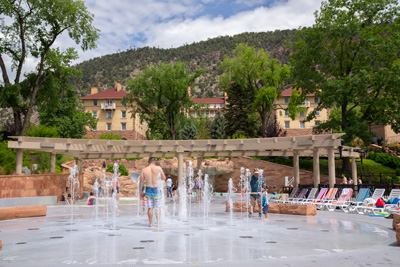
- Flexible Water Features: A pool area with adjustable water depths or configurable features like slides, spray fountains, or wave machines can be adapted for different age groups or community needs. A children’s play area could be turned into a lap swimming space or a therapeutic pool with the right adjustments.
- Movable Pool Walls: Some aquatic centers incorporate movable pool walls or floors, allowing the pool size and shape to be adjusted for different activities. For instance, the pool could be divided into smaller sections for swim lessons or opened up for larger events or competitions.
- Multi-Function Spaces: Incorporating spaces that can serve multiple purposes—like a poolside area that can be used for fitness classes, community events, or even dining—allows the facility to serve a wide range of programs. For example, a fitness area with removable equipment can transition between aquatic fitness classes and yoga sessions, depending on demand.
- Technologies: The integration of technologies such as variable frequency drives (VFDs), energy-efficient pumps and heaters, and advanced water treatment systems positions facilities to operate efficiently and sustainably, even in the face of environmental challenges.
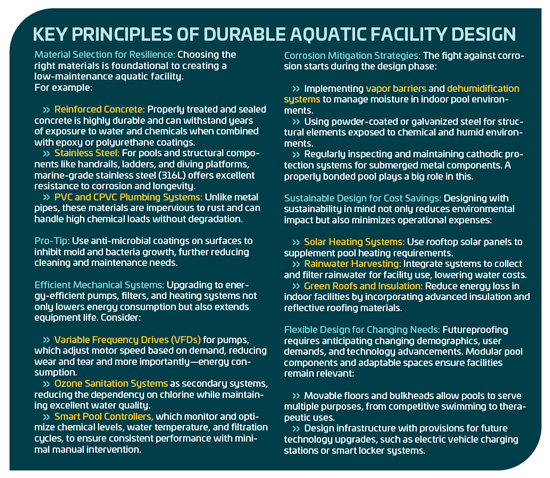
Facility Maintenance & Operations
Aquatic facilities are inherently complex environments. Constant exposure to water, chlorine, and other sanitizing chemicals creates a corrosive atmosphere. High humidity levels and fluctuating temperatures can strain structures and mechanical systems, leading to premature wear and costly repairs. Compounded by the high operational demands of public and private pools, maintenance becomes a recurring financial burden for facility operators.
Even the best designs require diligent operational practices to maximize their longevity. Facility operators should prioritize:
- Proactive Maintenance Plans: Schedule routine inspections for mechanical systems, structures, and water quality. Early detection of issues prevents minor problems from escalating.
- Comprehensive Staff Training: Equip maintenance staff with knowledge about emerging technologies and best practices to handle sophisticated equipment.
- Data-Driven Decision-Making: Use analytics to monitor energy consumption, chemical usage, and mechanical wear, allowing data-driven adjustments to improve efficiency.
The Way Forward
The future of aquatic facility design lies in embracing the synergy between durability, sustainability, and innovation. By prioritizing robust materials, energy-efficient systems, and smart technologies, aquatic engineers can create facilities that are not only low-maintenance but also more cost-effective over their lifespan.
A commitment to durable design is not merely a financial choice but an ethical one. It ensures that aquatic facilities continue to serve communities for decades, delivering joy and utility without undue environmental or financial burdens. The upfront investment in futureproofing is a legacy decision—one that every aquatic engineer should champion. RM
ABOUT THE AUTHOR
Dan Aldred is an associate principal at Cloward H2O. For more information, visit www.clowardh2o.com.