

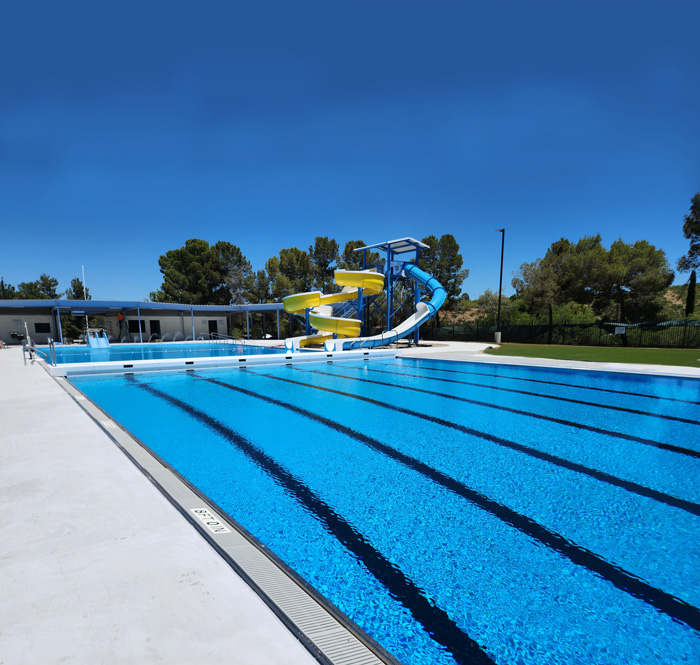
Aquatic facilities play a vital role in promoting health, life-saving skills, and community engagement. However, even the best-built pools face wear and tear over time. For parks and recreation departments, schools, and community centers, renovation isn’t just about aesthetics—it’s a critical investment in safety, efficiency, and long-term value.
As aging pools approach the limits of their original construction, facility managers and owners must weigh how best to restore functionality while enhancing operations. Strategic renovations not only extend a pool’s service life, but also reduce maintenance costs and open the door to expanded programming.
Safety and Structure
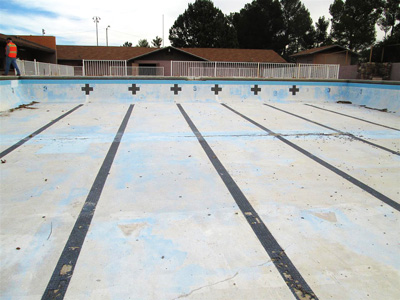
The most pressing concerns in any pool renovation involve safety and structural integrity. Over the years, concrete shells can crack, coatings can fail, and surfaces can become slippery or unstable. If left unaddressed, these issues compromise both swimmer safety and compliance with health regulations.
The renovation process should begin with a thorough assessment of the pool’s structural condition. Cracks, leaks, and compromised joints require permanent repairs followed by the application of a reliable finish. Reinforced PVC membrane systems offer a durable, watertight solution that conforms to the existing structure, providing a slip-resistant and chemically resilient surface. These systems not only restore structural integrity but also reduce the need for ongoing maintenance.
Perimeter gutters are another common pain point. Older concrete gutters often degrade, becoming difficult to maintain and ineffective at skimming surface debris. Upgrading to stainless steel gutter systems can dramatically improve water circulation, sanitation, and longevity.
Operational Efficiency
Community pools are expensive to operate, but modern mechanical and filtration technologies can drive down costs significantly. Renovations offer the perfect opportunity to integrate energy-efficient solutions that reduce operational strain.
Filtration systems should be evaluated for water consumption, energy use, and ease of maintenance. High-efficiency filters such as vacuum sand filters are designed to minimize backwashing, and conserve water and chemicals while maintaining excellent water clarity. Variable speed pumps, energy-efficient lighting, and renewable energy options like solar heating can further enhance sustainability.
Design for Versatility
Renovating a pool also means rethinking how it serves the community. Many aquatic centers seek to expand programming without expanding their footprint. That’s where flexible design solutions come in.
For example, creating multiple functional zones within a single pool allows different activities to run concurrently—such as lap swimming, swim lessons, and therapeutic exercises. Depth transitions, platform areas, and adjustable features can be incorporated to support a broader range of uses, especially in facilities that serve all age groups and abilities.
Movable pool components, such as adjustable walls or bulkheads, provide even greater versatility. These features let operators reconfigure the pool based on programming needs, increasing facility usage and enhancing community value.
Minimize Downtime
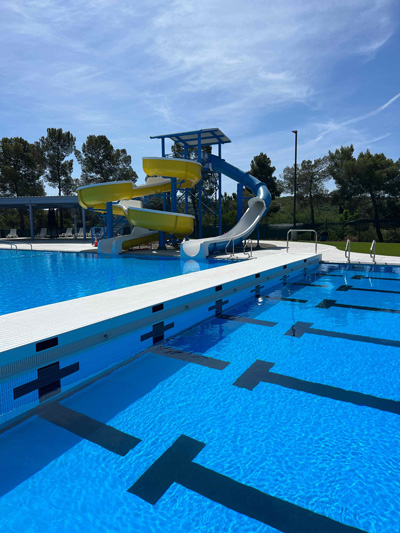
Choosing the right materials during renovation can significantly impact the facility’s long-term maintenance strategy. Materials that are resistant to corrosion, chemical damage, and UV exposure will outperform traditional finishes in both longevity and appearance.
Slip-resistant surfaces that are easy to clean improve safety and hygiene, and using prefabricated components or systems that allow for rapid installation can help reduce the renovation timeline and minimize service disruptions.
Renovate With the Future in Mind
Successful renovations not only address current operational challenges, but also lay the groundwork for long-term performance and adaptability. Selecting systems that are scalable, easy to maintain, and capable of supporting evolving programming needs is essential. Engaging aquatic consultants, engineers, and experienced contractors early in the process helps avoid common pitfalls and ensures that renovation investments deliver measurable improvements in safety, sustainability, and community value.
With strategic decisions and durable solutions, facility managers and owners can transform aging pools into vibrant, high-performing spaces that serve their communities for generations to come.
For More Information:
Natare Pools
800-336-8828
www.natare.com