


By Ruben Mejia
Across today’s higher-education landscape, sustainability has become more than an aspiration—it’s a defining value. From dining halls reducing food waste to residence halls integrating renewable energy, colleges and universities are turning environmental responsibility into an operational standard. Yet one area that often flies under the radar of campus sustainability planning is recreation and fitness.
As institutions look to shrink their carbon footprints, campus recreation centers offer an untapped opportunity to lead by example. These facilities consume significant energy, host thousands of daily users, and serve as a visible hub for student engagement. When those spaces demonstrate measurable sustainability in action, they transform into living laboratories for climate awareness and behavioral change.
The Shift Toward Sustainable Wellness
Students today are arriving on campus with an expectation that their universities will model sustainable behavior. A 2023 Princeton Review survey found that nearly three-quarters of college applicants consider a school’s environmental commitment when deciding where to enroll. This mindset extends to how students live, learn and even exercise.
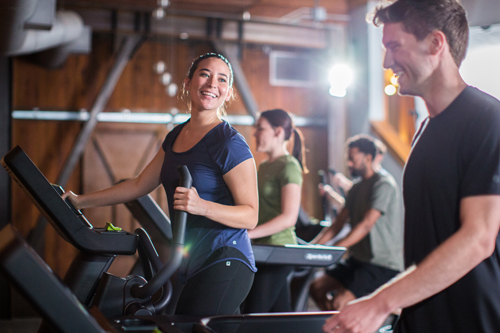
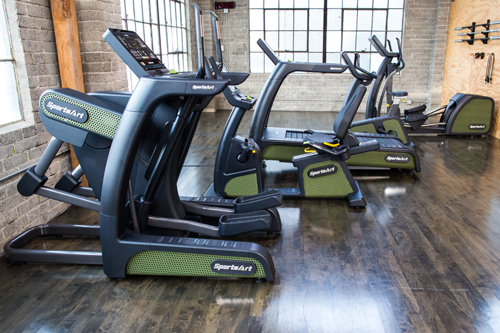
For campus recreation professionals, this presents a unique chance to align wellness with purpose. The same treadmills, cycles and ellipticals that help students improve their health can now also contribute to the health of the planet. The result is a new generation of “green gyms” that generate awareness and, in some cases, electricity—every time someone breaks a sweat.
Turning Motion Into Impact
Advances in sustainable fitness technology have made it possible for exercise equipment to capture human energy and feed it back into a building’s electrical system. These systems, often referred to as energy-producing or regenerative cardio equipment, bridge the gap between personal wellness and global stewardship.
Imagine a campus rec center where hundreds of students work out daily and collectively offset thousands of kilowatt-hours of energy each year. Beyond the numbers, this visible connection between movement and measurable sustainability fosters a deeper sense of accountability and pride. Students aren’t just working out, they’re working toward something.
This intersection of technology, health and sustainability has turned recreation spaces into micro-grids of inspiration. For administrators seeking ways to communicate institutional values, it’s a simple but powerful message: Every step, pedal or pull has purpose.
Building a Culture of Sustainability
Sustainability in fitness isn’t achieved by swapping out a few machines. It’s a culture shift that requires collaboration between departments, facilities, sustainability offices, student affairs and recreation alike. Successful programs begin with shared goals: reducing energy consumption, increasing student engagement, and demonstrating leadership in environmental action.
When recreation centers integrate sustainable fitness technology, they often find ripple effects across campus. Students in environmental studies use the equipment’s real-time energy data for coursework and research. Marketing and communications teams showcase the initiative in sustainability reports and recruitment materials. Even donors take notice, seeing tangible proof that their alma mater is innovating in ways that resonate with future generations.
Brown University, the University of Michigan and Cleveland State are just a few examples of institutions making these connections visible. Whether through energy-generating equipment, educational signage or student-led sustainability campaigns, these schools illustrate how small steps in the fitness center can reinforce much larger sustainability commitments.
Measurable Benefits, Meaningful Engagement
The environmental benefits of sustainable fitness are clear, but the educational and social impacts may be even more powerful. Students gain a hands-on understanding of energy conservation. Faculty find new opportunities for experiential learning. Campus rec professionals see higher participation and renewed excitement among students who want their workouts to have broader impact.
Moreover, these initiatives build community. When sustainability becomes part of the recreation experience, whether through competitions that track collective energy output or events celebrating Campus Sustainability Month, it encourages teamwork and shared purpose. It’s wellness with meaning, and that resonates strongly with Gen Z students seeking authenticity in everything they do.
Overcoming Barriers
Transitioning to more sustainable fitness solutions isn’t without challenges. Budget constraints, facility infrastructure and competing priorities can make innovation difficult. But incremental progress counts. Many schools start small, replacing just a few cardio machines, updating lighting to LED or launching awareness campaigns—building momentum as data and student enthusiasm accumulate.
Another key factor is education. Facility users and decision-makers alike need to understand not just how the technology works, but why it matters. Clear communication about energy savings, emissions reduction and community benefits ensures that sustainability doesn’t feel like a gimmick but rather a shared accomplishment.
The Road Ahead
As campuses continue to evolve toward carbon neutrality, recreation centers can play a surprising but significant role in achieving those goals. The fitness floor is one of the few places where students directly interact with institutional sustainability in real time. That makes it a powerful platform for awareness, education and leadership.
In the coming years, I believe we’ll see sustainable fitness move from a “nice-to-have” to a “need-to-have” on campuses worldwide. It will no longer be viewed simply as a technological novelty but as a standard component of responsible facility design and student engagement strategy.
The future of campus recreation isn’t just about stronger bodies, it’s about stronger communities and a stronger planet. When students understand that their movement has the power to create change, sustainability stops being a buzzword and becomes a way of life. RM
ABOUT THE AUTHOR
Ruben Mejia is executive vice president of SportsArt Americas, a global leader in sustainable fitness solutions committed to uniting performance, innovation and environmental stewardship across the fitness industry. For more information, visit www.gosportsart.com.