


By Valerie Dennis Craven
Long gone are the days of celebrity-led workout and fitness methodology led by names such as Jack LaLanne, Jane Fonda, Richard Simmons, Suzanne Somers and Billy Banks. Flash-forward several decades, and the definition of fitness—and how to achieve it—has shifted and expanded since they would stand in front of a group and demonstrate moves like calisthenics, dance aerobics and kickboxing.
The ways people view and track fitness and nutrition have expanded what it means to become fit. Body shape preferences, wearable technology and supplements influence fitness trends, and vice versa. What is considered a sport is expanding, as activities that some might have considered a hobby gain visibility: Recent and upcoming Olympics are introducing new events including surfing, sport climbing, squash, ski mountaineering and even breaking, a form of dance.
Other times, fitness trends are driven by necessity. Take COVID-19 safety precautions, leaving gyms and studios having to adapt with hybrid and on-demand workouts, or a rise in outdoor activities, including the staggering increase in pickleball—311% since 2021, according to the Sports & Fitness Industry Association (SFIA).
According to the Health & Fitness Association’s 2025 Fitness Industry Benchmarking Report, facilities averaged net membership growth of 5.5% and retained 66.4% of their members in 2025. Once inside the facility, however, member preferences are changing, and operators and managers of fitness facilities need to adapt in order to meet member demand and grow the customer base.
Strength Training Pushes Cardio Aside
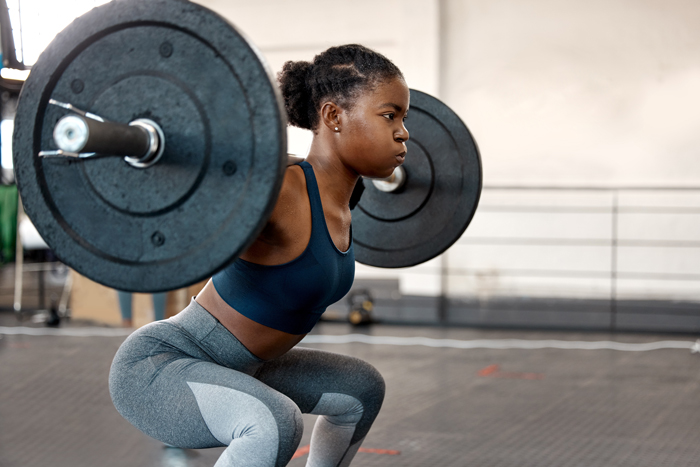
If there is one visual change of offerings, look directly at the gym floor itself. For years, cardio equipment took up a large footprint to accommodate the number of people who wanted to use items such as bikes, treadmills or elliptical machines. Today, the number of these machines is being scaled back to make room for strength machines and free weights, or to carve out bespoke and adaptable spaces.
“It’s pretty concrete now that fitness is moving toward strength training,” said Benjamin Kohler, fitness and wellness director at the University of Minnesota. “A lot of our cardio equipment is mostly collecting dust. In contrast, our strength floors—specifically spaces with selectorized equipment, barbells and kettlebells—are heavily populated.”
While this trend isn’t limited to campus facilities, younger demographics equate health with strength, with a 181% increase in strength equipment sales over the past decade, according to the Fitness Industry Supplier Association.
“Strong is the new skinny, but glutes are the new biceps,” Kohler noted. “The incline walking, the stairsteppers, the hip thrusts, the glute drive machines are by far the most heavily used equipment.”
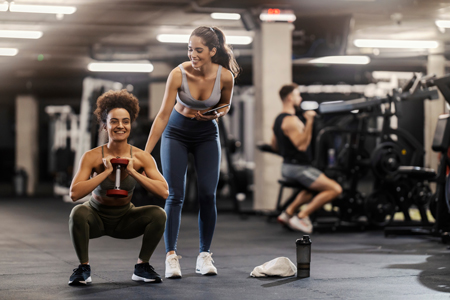
This shift means having to rethink the gym-floor setup altogether, both in what equipment will take space and how people prefer to work out. For the University of Minnesota, a public institution looking to be mindful and efficient with funds and having limited space, that meant creating “fitness neighborhoods” in its primary fitness facility.
Beth Asfahl, associate director of facilities at the University of Minnesota, explained that, while some people prefer not to work out in the “mainstream” of activity, they have the option to work out in areas that allow for a more private experience. Asfahl and Kohler found pockets of space that were underutilized, like those that had housed cardio equipment, a racquetball court and even large walkways. These tactics allow more people to participate in strength or other physical activities in locations that work for their comfort and experience level.
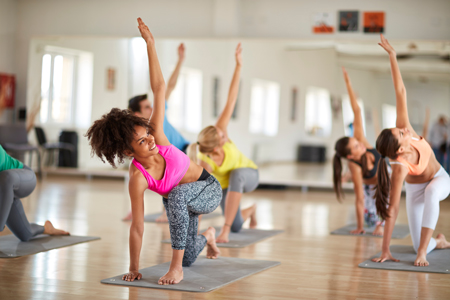
Fewer than 30% of U.S. adults meet the recommended guidelines for muscle-strengthening activity, according to the American College of Sports Medicine (ACSM), leaving themselves at a risk of not maintaining bone density, metabolic health or mobility. And with strength training being recognized by ACSM as a top fitness trend for 2026, the organization recommends facilities offer strength training support to increase participation, no matter a person’s skill level or experience. It suggests emphasizing long-term health benefits and functional outcomes, while creating opportunities for consistent strength training, such as group classes, progressive programing or hybrid formats.
Wellness for the Whole Self
“Exercise is king. Nutrition is queen. Put them together and you’ve got a kingdom.” LaLanne stated that on his television show decades ago, and the sentiment still holds true. Fitness beyond physical activity alone isn’t just a nice-to-have or amenity to entice people into a club, but part of whole-body wellness.
Exercise for mental health is another 2026 top trend identified by ACSM, and a top reason people cited for working out, ahead of physical fitness or appearance goals. “Regular exercise is one of the most effective strategies we have to improve mental health, build emotional resilience, and enhance overall well-being,” A’Naja M. Newsome, Ph.D., ACSM-CEP, EIM, stated in the news release for the trends report. “Its impact could rival some traditional clinical interventions and is certainly a strong supportive intervention.”
If you have poor mental health or wellness, that has an impact on your physical health, said Anthony Wall, senior director of global business development at the American Council on Exercise (ACE). “The conversation we’ve been having for a long time is around behavior change. We see more programs now that are holistic in nature.”
People are seeking a sense of community and belonging, and understanding how that affects their health. More people became aware of this need as a response to isolation experienced during the pandemic, he explained. “Now, they have the opportunity to be part of a like-minded group and have that social connection. And that’s really important for a lot of people.”
Wall advises facility managers and club operators to create spaces for people to explore wellness-focused activities, as opposed to those simply focused on fitness alone.
At the University of Minnesota, that comes to life through resources such as:
- A second racketball court converted into a recovery zone.
- A program called Pet Away Stress, or PAWS, where animals are brought in to interact with students.
- Mental health drop-in open sessions to talk in a comfortable setting.
- Physical therapy to support goals beyond just improving physical fitness.
- Registered dieticians coming from the student health clinic for education, coaching and other support.
At ACE, continuing education is focusing increasingly on offering training in different aspects of health, the varying populations fitness professionals serve, and how to speak to and serve these populations. “It’s about us as an organization being able to see and shift how we speak to our customers, our fitness professionals, our health coaches, helping equip them properly so they can in turn help their customers,” Wall said. Just in the past year, the association has partnered with Special Olympics to advance inclusive fitness education, launched a course to address sleep and recovery, launched an Alzheimer’s Fitness Specialist program to support brain health through movement, and introduced a certification focused on mental well-being.
ACE talks in terms of behavior change as a personal journey, with every person having a different reason to engage and improve. Wellness, Wall explained, needs to encompass the social connection and a holistic approach, addressing psychological as well as physical fitness.
Technology Offers Choice and Coaching
Paying attention to technology, what tools people are using, and how features evolve is important for ACE to understand how to adapt to user needs, Wall noted.
Kohler, with the University of Minnesota, also errs on the side of caution when investing in technology, as preferences and features can come and go in a shorter amount of time than equipment is in circulation, about eight to 10 years in the case of the school. He points to the fact that there is still equipment in circulation that has 16-prong iPod connectors, for example.
“If we’re talking about physical equipment, we’re not investing a ton of money in connectivity,” he said, noting that students are using devices such as tablets, mobile phones and wearable fitness devices within the space. That changes the offering to ensuring that users can stay connected while working out: places to set up a laptop, equipment that connects to devices and similar features.
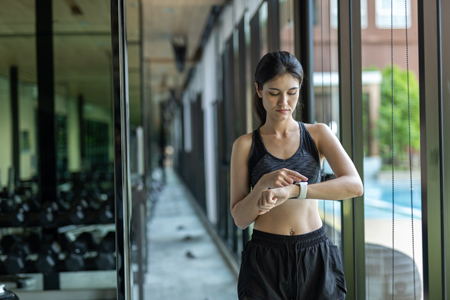
ACSM’s top trends feature technologies prominently, with wearable technology at the No. 1 trend, and mobile exercise apps at No. 4. The report suggests that wearable devices will reach a projected global market of 186 billion by 2030, and help reinforce healthy habits over time for a variety of groups, from patients in rehabilitation, those beginning their fitness journey, competitive athletes and aging adults.
“Nearly half of U.S. adults now own a fitness tracker or smartwatch, so the question is no longer whether people will use wearables. What matters now is teaching people how to use them in ways that best support their health and behavior change,” noted Cayla R. McAvoy, Ph.D., ACSM-EP, EIM, in the report.
Building off the trend of health on a user’s terms, more people are not stepping in a physical club or studio to get fit. Workouts are accessible on-demand, scheduled, live-streamed or recorded for users to work out at the time and location that works best for them. These platforms can offer features that support sustained engagement, such as:
- Progress tracking
- Goal setting
- Social components
- Reminders
- Incentives or rewards
Exercise professionals can leverage apps as supplemental tools, particularly for clients who prefer flexible, tech-enabled fitness options, ACSM’s report suggests.
Kohler noted that students respond well to a gamified fitness experience with the equipment, but there is a segment who prefer the more traditional equipment. For the university, it comes back to creating those spaces that allow people to work out and use technology on their terms, as opposed to being required to engage with technology in order to use equipment. “There is sometimes an issue if there’s too much technology or it’s required, you’re going to turn people off or it could become an accessibility issue,” he explained.
Applying Data to Facilities and Services
While wearing and viewing technology among those using the gym is one thing, facilities managers should capture what data they can to make more informed decisions.
According to ACSM, more than 70% of wearable users now apply the information they collect to determine health-related strategies. Trainers can integrate these data points to offer more personalized fitness support at the one-to-one level.
Jessica Sansone, Ph.D., ACSM-EP, EIM, is quoted in the 2026 report as saying that “biofeedback has become an impactful tool—allowing both clients and exercise professionals the ability to personalize exercise while gaining real-time insights to the body’s physiological response. In combination with wearable technology, data-driven technology can help in transforming exercise training into a more tailored and responsive experience.”
The key, McAvoy noted in the report, is the understanding and education the trainer provides their client, translating complex numbers into clear, actionable guidance.
And, by gathering data from connected equipment or sensors, facility managers can optimize how space is used. This could include:
- Working with equipment manufacturers that offer asset-tracking software with their machines to understand when and how individual equipment is used.
- Predictive maintenance capabilities and nudges based on an understanding of how long the equipment has been used since it was last serviced, or proactively monitoring how it’s running.
Additionally, any data or research that facility managers and club owners and operators can collect will better help understand those they serve. Wall suggested evolving offerings based on what products, services or classes the community wants.
“When I’m talking to people about their fitness experiences, it’s about truly understanding what it is they want, and then being able to create an experience that matches what your community is looking for,” he explained.
Creating a Healthy Community
Current fitness facility trends are about balance and meeting users where they are, in terms of technology preferences when working out, what fitness means to each person, where they want to work out and how they want to experience that workout.
We aren’t simply following a celebrity spokesperson, mimicking their moves and those of a group behind them, expecting cookie-cutter results. It’s about, in the words of the founding father of fitness himself, LaLanne, creating a “kingdom” of fitness that involves the whole self.
That means offering the opportunity for strength, cardio, recovery, mental health, rehabilitation, community, respite and everything in between. For Wall, it’s important to keep in mind industry objectives of making people feel better about themselves, have the opportunity to be healthy, and live a better life. Sometimes, he said, that looks like a health plan, using technology to assist or even just having a conversation.
“My personal wish is that we don’t get too far away from understanding that this is a human-centric industry,” Wall emphasized. “It’s about the person in the middle, and not getting lost in the exciting things that we can get sold on. Understand at the end of the day, your customer wants to come in and feel better about themselves.” RM