

After reading our recent Aquatic Trends Report, you might be wondering if we’ve got more information to share. With print space limited, we always have to pick and choose from among the data. The good news is, there’s lots more where that came from.
Here are a few more tidbits of information from this year’s survey results.
Facility Rentals
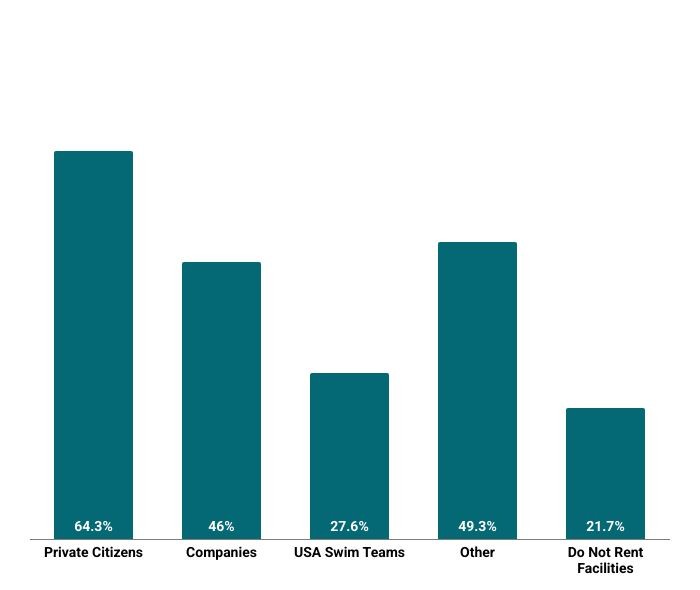
Some 78.3% of respondents to the Aquatic Trends survey said that they currently rent their facilities out for private parties, special events or competitions to one or more different groups. Most common were rentals to private citizens, with 64.3% of respondents indicating that they provide private rentals. They were followed by rentals to companies or businesses (46%). And 27.6% of respondents said that they rent their facilities to USA swim teams.
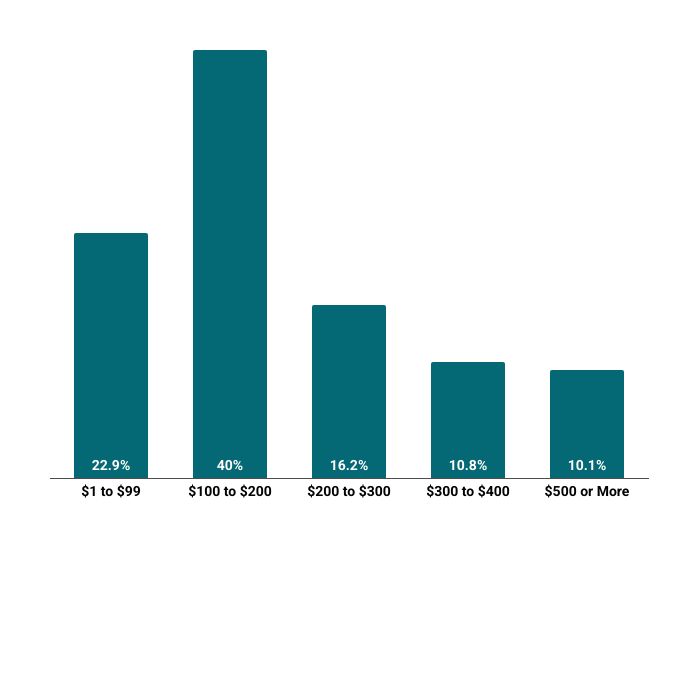
When renting facilities, most respondents said that they charge a fee of $200 an hour or less. Nearly a quarter (22.9%) said that their rental fee is between $1 and $99 an hour, while another 40% charge between $100 and $200 an hour to rent their facilities. Fewer respondents charge $200 to $300 an hour (16.2%) or $300 to $400 an hour (10.8%). And just 10.1% of respondents said that they charge $500 or more per hour for facility rentals.
Model Aquatic Health Code
Established in 2014 by the U.S. Centers for Disease Control & Prevention (CDC), the Model Aquatic Health Code (MAHC) helps state and local governments develop and update pool codes based on the most recent science and best practices. The code is not a legal requirement, but simply provides a model agencies can use to build their own. Or, they can simply adopt the standardized guidance provided by the MAHC.
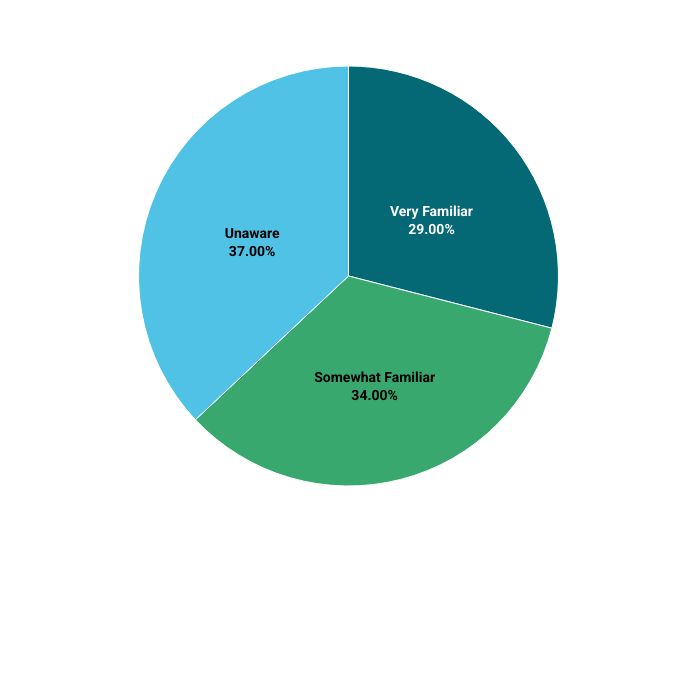
We asked respondents about their familiarity with the MAHC, and found that while most respondents were either very familiar (29%) or somewhat familiar (34%) with it, a full 37% of respondents did not know about the Model Aquatic Health Code.
To ensure it recommends the most current practices and is based on the most recent science, the code is updated on a regular basis, with the Council for the Model Aquatic Health Code (CMAHC), created in 2013, acting as a clearinghouse for input and advice. CMAHC members take part in the process of updating the code and their input is considered as the CDC revises and releases the next edition.
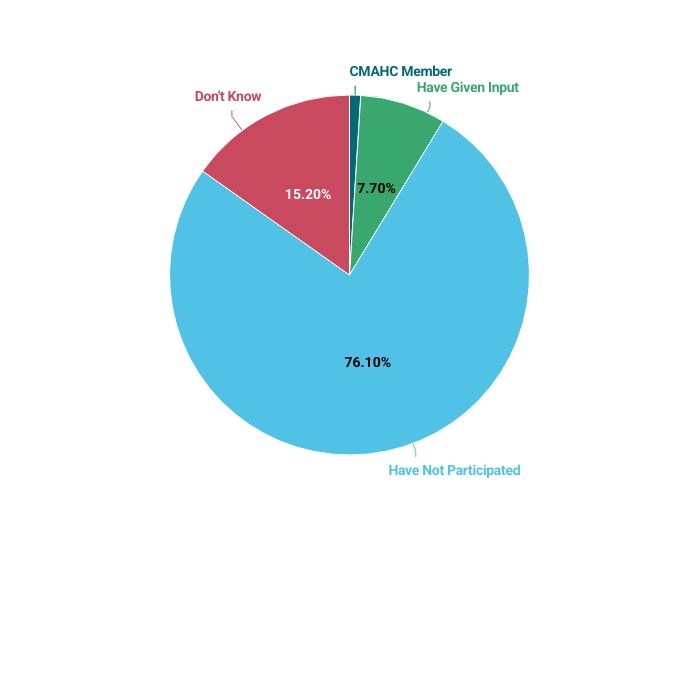
We asked respondents about their participation on the committee, and found that very few were either CMAHC members (1%) or had provided input to the update process (7.7%).
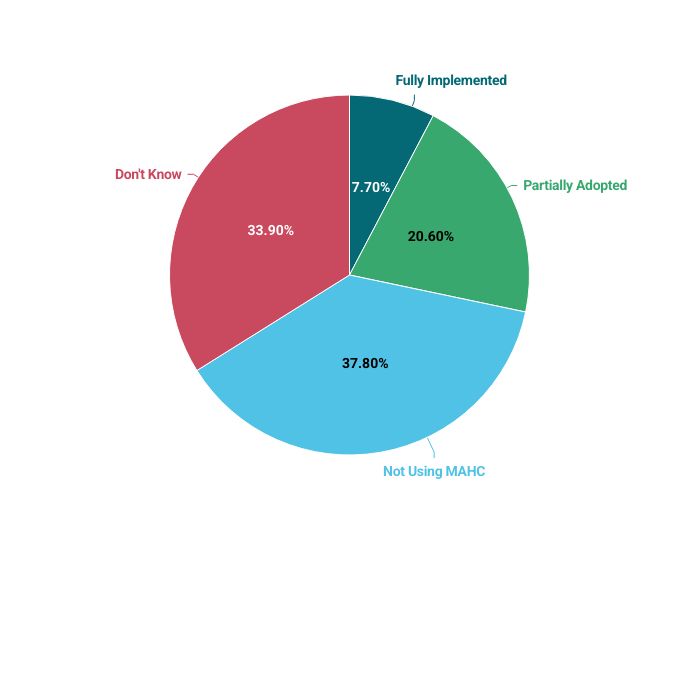
We also asked respondents if their regulating agency had implemented the Model Aquatic Health Code, either in part or in full. Some 7.7% of respondents said that their agency had fully implemented the MAHC, while 20.6% said that portions of the code had been adopted.
Industry Challenges
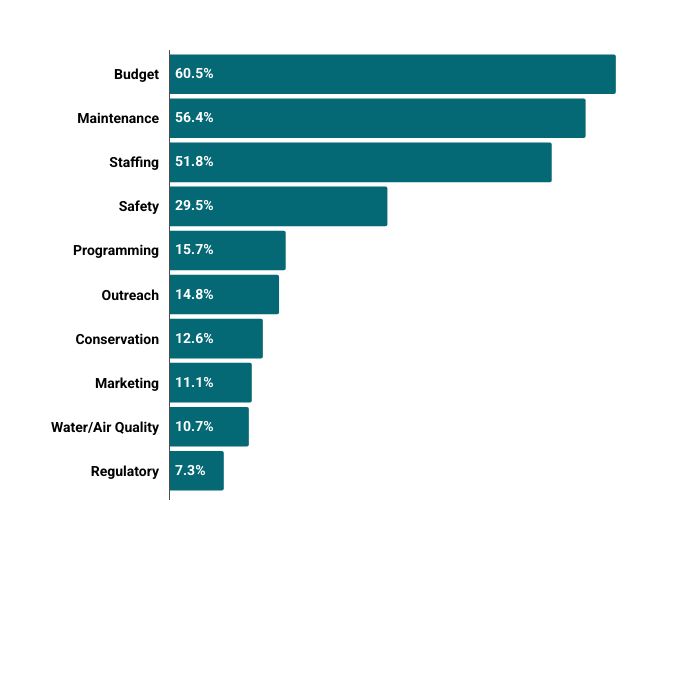
Finally, we asked respondents to choose the top three challenges they feel are affecting the aquatics industry. Budgetary issues were the top concern, with 60.5% of respondents naming budgetary issues as one of the top three challenges.
This was followed by facility and equipment maintenance (56.4%) and staffing issues (51.8%).
If you’d like some more insights into our Aquatic Trends Report, please enjoy this recording of our recent webinar, where we brought in industry experts to comment on some of the data.