

By Jacob Clawson
As communities across the country face an increase in extreme weather events—ranging from intense storms and flooding to prolonged heat waves and power disruptions, the conversation around resilience has moved from long-term planning to immediate necessity. For aquatic facilities, the challenge is particularly complex. Pools, splash pads and waterparks are inherently exposed systems, deeply connected to environmental conditions, utilities and public safety concerns.
Today’s recreation leaders are asking a critical question: How can aquatic facilities be designed not just to operate efficiently, but to remain safe, functional and recoverable when the unexpected occurs? The answer lies in resilient infrastructure—systems intentionally designed to withstand disruption, protect users and support rapid recovery.
Understanding Resilience in Aquatic Design
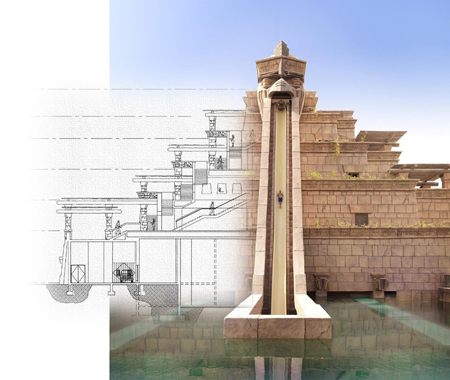
Resilience in aquatic facilities goes beyond structural strength. It is a holistic approach that considers site conditions, environmental risks, mechanical systems, operational continuity and long-term adaptability. A resilient aquatic facility anticipates stressors such as flooding, high winds, seismic activity, water contamination risks and power loss, and integrates safeguards directly into its design.
Rather than reacting to disasters after they occur, resilient design embeds preparedness into every layer of the facility, from underground piping to above-ground amenities.
Flood-Resistant & Site-Sensitive Planning
Flooding remains one of the most common and destructive threats to aquatic facilities. Poor drainage, low-lying mechanical rooms or inadequately protected equipment can lead to extended closures and costly repairs.
Modern resilient design begins with thoughtful site evaluation. Elevating critical mechanical components, incorporating advanced drainage systems, and selecting materials that tolerate temporary submersion can significantly reduce damage during flood events. Permeable surfaces, strategically sloped decks and reinforced pool shells help manage excess water while protecting structural integrity.
Integrating site-specific risk analysis into aquatic designs ensures that each facility responds intelligently to its surrounding environment. By aligning pool elevations, filtration rooms and utility connections with flood mitigation strategies, facilities are better positioned to remain operational—or return to service quickly—after severe weather.
Robust Filtration & Water Quality Protection
Extreme weather events often bring water quality challenges. Heavy rainfall can introduce debris, contaminants and runoff into aquatic systems, placing stress on filtration and chemical balancing processes.
Resilient aquatic facilities rely on robust, high-capacity filtration systems designed for flexibility and redundancy. These systems allow operators to isolate sections, increase filtration rates when needed, and maintain safe water conditions even during environmental disruptions.
Structural Reinforcement
In regions prone to hurricanes, high winds or seismic activity, structural resilience is paramount. Pool shells, deck systems, shade structures and aquatic features must be engineered to withstand lateral forces and ground movement without compromising safety.
This includes reinforced concrete design, flexible piping connections, wind-rated enclosures and anchoring systems for water features. Thoughtful detailing ensures that even if auxiliary elements are damaged, core aquatic systems remain intact.
Extreme Heat
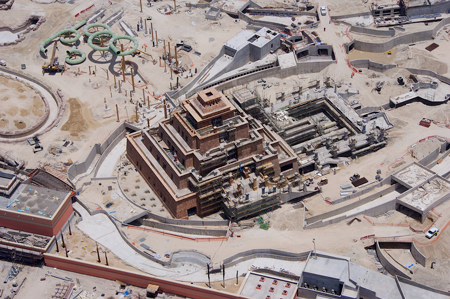
While storms and flooding often dominate conversations about climate resilience, prolonged heat waves present their own set of challenges for aquatic facilities. During periods of extreme heat, community demand for pools and splash pads can surge dramatically as residents seek relief from rising temperatures.
This increased usage places additional strain on water treatment systems, circulation equipment and operational staff. High air temperatures can accelerate chemical consumption, increase evaporation rates and impact overall water balance. Without thoughtful design and operational planning, these conditions can make it difficult to maintain optimal water quality and comfort levels.
Resilient aquatic facilities account for these pressures by incorporating systems designed to operate efficiently during sustained high-demand periods. Enhanced circulation capacity, automated chemical monitoring and equipment rated for continuous operation help ensure that facilities can safely accommodate larger crowds without compromising water quality.
Design elements can also improve user comfort and safety during extreme heat events. Shade structures, misting features and strategically placed cooling areas provide relief for guests waiting in line or resting between activities. Deck materials selected for heat resistance reduce surface temperatures, helping prevent burns and improving overall accessibility.
Emergency Preparedness
Unexpected emergencies—whether weather-related or operational—demand fast, coordinated responses. Resilient aquatic facilities are designed with emergency protocols in mind, including clear access points for first responders, backup power integration, and systems that can be safely shut down or restarted without extensive damage.
Designing for resilience also means simplifying maintenance and inspection. Accessible equipment rooms, clearly labeled systems and logical layouts allow staff to respond quickly under pressure, reducing downtime and risk.
Approaching aquatic design as a partnership between engineering and operations ensures that facilities are not only resilient on paper, but practical and manageable in real-world scenarios.
Design for the Future
Climate patterns continue to evolve, and recreational facilities must adapt accordingly. Resilient aquatic design is not a one-time solution, it is a forward-looking investment in longevity, safety and community trust.
By integrating disaster preparedness directly into infrastructure, aquatic facilities can protect their assets, safeguard users, and remain reliable community resources even in uncertain conditions.
Through thoughtful planning, durable systems and site-responsive design, we help communities build aquatic environments that are prepared for whatever the future brings—calm waters or stormy skies alike. RM
ABOUT THE AUTHOR
As business development and marketing manager for Cloward H2O, Jacob Clawson brings a client-focused approach that prioritizes understanding customer needs while developing solutions built to scale. For more information, visit www.clowardh2o.com.