


By Juliene Hefter and Kirsten Barnes
It’s that time of year when all leaders are thinking about training for our teams. Whether we are training seasonal team members, new leaders or simply transitioning to a new season, we commit our time and budget to training our teams to create great experiences, maintain a safe environment and build a culture where our team thrives.
A variety of factors influence our training plans. From skills training to local and state health department requirements and even the Model Aquatic Health Code (MAHC), these frameworks do an excellent job of outlining the technical competencies required for anyone working near the water. We also know that technical training is only part of the equation.
We also take into consideration organizational requirements such as sexual harassment prevention, safe driving and workplace policies. We then work to add so-called “soft skills” (which many of us now recognize as essential) like conflict de-escalation, communication, leadership, decision-making and guest service that truly define the day-to-day success of frontline leaders, and our list of training topics can begin to seem endless.
Let’s be honest: Between recruiting, interviewing, hiring, onboarding, coaching and simply keeping things running, it can feel nearly impossible to build and deliver meaningful, well-rounded training programs. Even when we do carve out the time, there’s no guarantee that our message sticks. After all, anyone who has led a pre-shift talk or in-service knows the feeling: What sounds clear in our heads doesn’t always land the same way with our teams.
And yet ongoing training is one of the most critical investments we can make. Regular in-service training keeps skills sharp, reinforces expectations and strengthens team coordination. Even dedicating a few hours each month to both technical skills and other essential skills can significantly improve performance, build confidence, and ultimately create a safer environment for both staff and guests.
But here’s the opportunity: You don’t have to do it alone.
Expand Your Training Toolbox
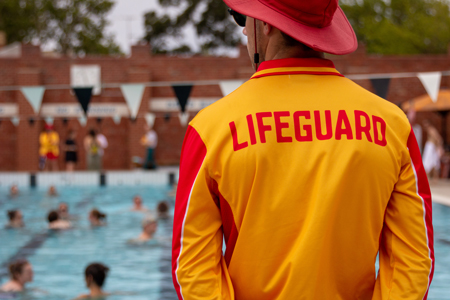
One of the most effective ways to enhance your training program is to bring in new voices and perspectives. Sometimes, the same message delivered by a different person can resonate in a completely new way.
Start by looking internally. Partner with other departments in your organization:
- Invite your camps or youth program staff to share strategies for communicating with kids, especially when excitement levels are high.
- Ask your HR team to lead conversations about professionalism, boundaries and supervising peers—topics that are especially relevant for young frontline leaders stepping into management roles.
Don’t be afraid to look outside your organization at the growing ecosystem of resources available to aquatic professionals. Online learning platforms, webinars and industry-specific programs can help reinforce your priorities while adding credibility and variety.
Programs like AOAP’s Mid-Year Manager Training, YouTube channels hosted by industry leaders or even specialized academies provide structured, relevant content that complements your internal efforts.
Even informal resources can make an impact. Industry leaders sharing insights through videos or social media can offer relatable, real-world perspectives that your team connects with.
Bridging the Gap Between Knowledge & Action
We also know that training isn’t just about delivering information. It’s really about reinforcing positive behavior or changing behavior that doesn’t meet our standards. Hands-on, scenario-based learning is so critical to make this happen.
- Consider bringing in local partners, such as EMS or your fire department, to walk through emergency action plans (EAPs) in real time.
- Invite your insurance inspector or risk manager to do a full safety walk-through with your team to see how they identify risks in your facility.
Similarly, your aquatic technicians can provide valuable insights into pump room safety, chemical handling and even how to properly execute an hourly chemical test. When frontline leaders understand the “why” behind these processes, they are better equipped to make informed decisions and prevent issues from escalating.
These types of training experiences help take these concepts from theory into action. They create muscle memory, improve communication and prepare teams for real-world challenges.
Building a Culture of Continuous Learning
Perhaps the most important outcome of a strong training program isn’t just improved skills. Building a training program that is consistent, engaging and varied sends a clear message that learning doesn’t stop after certification. It becomes part of your culture and your team’s identity.
Regular training fosters accountability, strengthens teamwork and keeps safety top of mind. It creates an environment where staff feel supported, prepared and confident in their roles. And for frontline leaders, that confidence translates directly into better decision-making, stronger leadership and improved staff retention.
Because let’s be honest: Your frontline leaders set the tone for your entire operation. They are the ones who manage guest interactions, support lifeguards, respond to incidents and balance safety with service. When they are well-trained, everything else runs more smoothly.
Think Beyond the Basics
At the end of the day, training creates a strategic advantage. Yes, we need to meet certification standards and regulatory requirements. But the real impact comes when we go beyond the basics, think creatively about how we deliver training, bring in new voices, create opportunities for hands-on learning, and intentionally develop the essential skills our frontline leaders need to succeed.
A well-trained team doesn’t just react. They anticipate, communicate and lead. And by the water, that can make all the difference. RM
ABOUT THE AUTHOR
Juliene Hefter is executive director of the Association of Aquatic Professionals. Kirsten Barnes is assistant director of the Association of Aquatic Professionals. For more information, visit aquaticpros.org.