

As more municipalities explore how dog-friendly spaces can serve their communities, temporary installations offer a cost-effective, data-driven way to evaluate potential long-term solutions. Pop-up parks allow cities to gauge anticipated usage, test surfacing options, establish best practices, and activate underutilized areas within an existing parks system before committing to a permanent site or design.
Compared to traditional facilities, these pilot spaces typically require less land, infrastructure and maintenance, while still providing the recreation and socialization opportunities that pet owners value. Pop-ups can quickly bring energy and purpose to an underused area without the upfront investment of a full build-out.
The City of Redmond, Wash., provides a great example of how this approach can evolve. A year after launching its first temporary site in 2023, and in response to strong community interest, the city introduced a second temporary location. Plans for a permanent dog park are now underway, demonstrating how short-term solutions can inform long-term development.
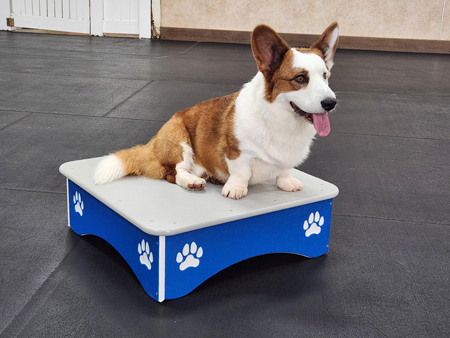
With thoughtful planning, even a seasonal setup can feel intentional and well-equipped. Amenities such as waste stations, benches, fire hydrants and tables can be installed with the flexibility to relocate them later. Portable play features further expand functionality, allowing municipalities to enhance the park users’ experience while offering an additional opportunity to support other programs and services down the road.
Selecting the right components may seem challenging, but prioritizing flexibility and durability simplifies the process. Features with adaptable mounting options, sturdy construction that withstands repeated use and relocation, and straightforward assembly are all key considerations for long-term value.
While lightweight options made from PVC or nylon may appear budget-friendly, they are generally not suited for use in public parks. PVC can become brittle with prolonged sun exposure and may break into sharp edges, creating safety concerns. Fabric-based tunnels are also prone to tearing, especially in high-traffic environments.
More robust alternatives include sourcing equipment made with materials designed to handle a wide range of weather conditions and user needs. Portable equipment should accommodate dogs of different sizes and abilities, offer slip-resistant surfaces, and remain easy to assemble, disassemble and relocate as needed.
Aluminum, high-density polyethylene (HDPE) and polymer-based products are all examples of ideal material choices. Aluminum weighs significantly less than steel, making it easier to transport and install, while also offering natural resistance to corrosion—an important advantage in dog park environments.
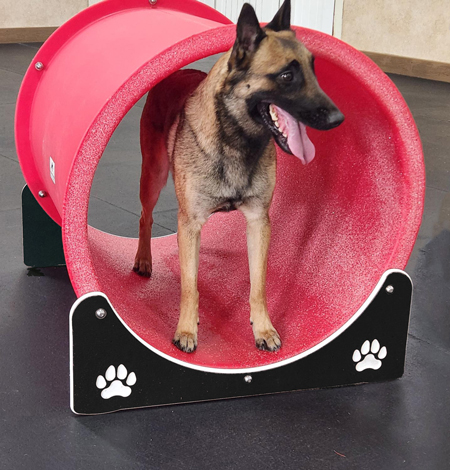
HDPE provides long-lasting performance, UV stability, and resistance to rot, moisture and insects. However, traction is an important consideration. Some composite plastics, such as traditional decking materials, can become slick—especially when wet or when debris such as moss or mildew accumulate. Equipment specifically designed for canine use addresses this issue with integrated slip-resistant textures. For example, tunnels may incorporate tumbled polycarbonate into the molding process, while elevated planks or platforms benefit from marine board. Originally developed for maritime needs such as boat decking, this material features a textured finish that enhances grip and promotes drainage.
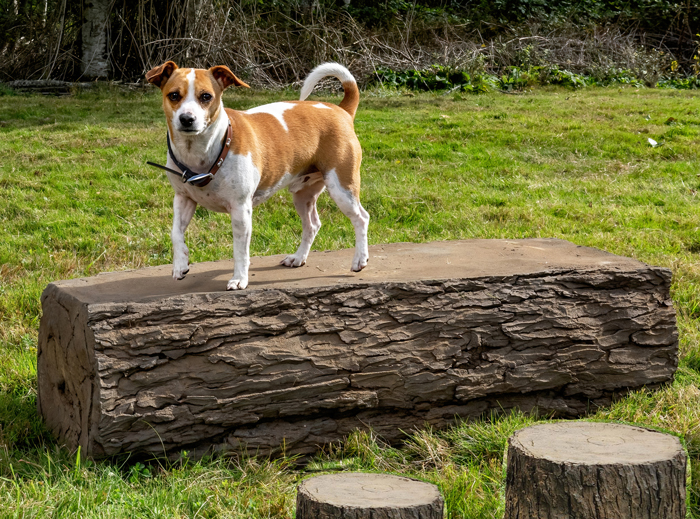
Components made with a polymer-blend, such as nature-themed agility activities, offer durability without the chipping and flaking that GFRC products are prone to. In addition, they are significantly lighter, which makes for easy transport and storage.
When the season ends, portable features continue to offer value beyond their initial use. They can support community events, contribute to fundraising efforts, rotate between future temporary sites or be repurposed in municipal animal shelters. Research has shown that dogs are more likely to be adopted when potential owners can interact with them in engaging, meaningful ways. Activities like agility help build confidence and reinforce basic skills that play an important role in securing permanent homes for shelter animals.
For departments that opt to store equipment between uses, selecting stackable, scratch-resistant designs with minimal hardware can make off-season storage more efficient and extend the lifespan of each component, which any maintenance team is sure to appreciate. In addition, smaller lightweight pieces can easily be moved between locations in a standard truck bed.
Ultimately, pop-up and seasonal dog parks offer more than just temporary fun; they provide municipalities with a smart, low-risk way to test and learn in real time. By investing in flexible, well-designed features, cities can respond to community demand while gathering the insight needed to shape permanent park spaces. Whether used for pilot programs, special events or shelter enrichment, portable dog park amenities prove that meaningful community impact doesn’t have to be permanent to be powerful. RM
ABOUT THE AUTHOR
Nora VandenBerghe is the COO of Dog-On-It-Parks, the first specialty dog park manufacturing company in the U.S., which is headquartered in Everett, Wash. She lives in the Pacific Northwest with her husband and their Great Dane.