

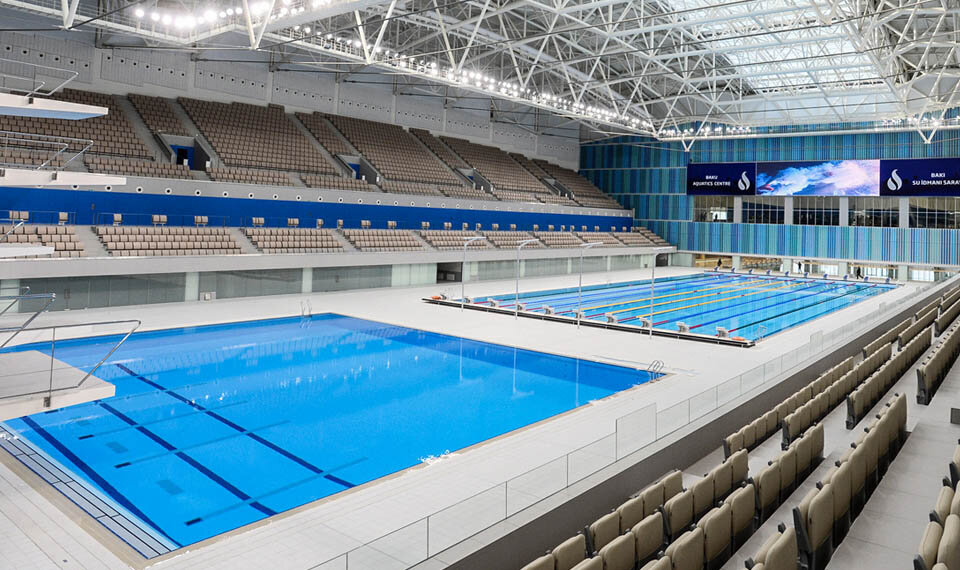
Across the U.S., commercial pool renovations are on the rise—driven by aging infrastructure, evolving safety standards and increasing expectations from facility users. While many projects prioritize speed and minimizing downtime, experienced contractors are seeing a different reality play out in the field.
"After working on a wide range of commercial pool renovations, you start to see patterns—what works, what doesn’t, and where problems tend to show up,” said Zack Tanner, president of ZTI LLC, a certified pool and spa contractor with more than 48 years of experience specializing in the installation of reinforced PVC membranes for municipal and government aquatic facilities, including numerous complex projects throughout Florida and the Caribbean.
For facility operators, aquatic directors and project stakeholders, understanding these lessons early can make the difference between a renovation that lasts decades—and one that requires ongoing repairs.
Looking Beyond the Installation Timeline
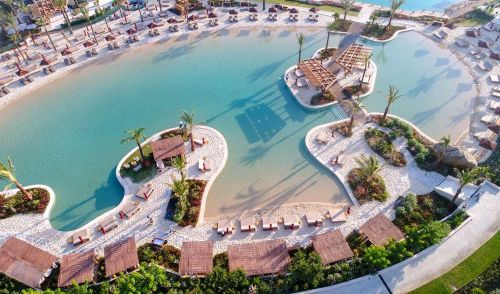
In many renovation projects, speed becomes a primary focus. Shorter timelines mean less disruption, fewer closures and faster return to service. But according to contractors in the field, that focus can sometimes overshadow more critical considerations.
“Getting a pool back open quickly is important—but the bigger question is what happens two or three years down the road,” Tanner explained. “If the system isn’t designed for the demands of a commercial environment, you’re often just delaying the next problem.”
For many facilities, the true measure of a successful renovation isn’t how quickly it’s completed—but how reliably it performs over time.
Where Renovations Often Fall Short
From a contractor’s perspective, many issues that arise post-renovation are not the result of a single failure point, but rather a combination of factors that were overlooked during design or installation.
1. Treating Waterproofing and Finish as Separate Systems
In traditional renovations, waterproofing and aesthetic finishes are often addressed independently. Over time, this can lead to cracks, delamination or leaks—particularly in aging structures.
2. Underestimating Structural Movement
“Older commercial pools move more than people expect,” Tanner said. “If your system can’t accommodate that, it’s only a matter of time before issues show up.”
3. Detailing at Critical Transitions
Penetrations, fittings and transitions are among the most common points of failure.
“It’s rarely the large surface areas that cause problems—it’s the details. If those aren’t handled correctly, that’s where you see leaks and callbacks.”
4. Installer Experience
Even the best materials depend on proper installation.
“Commercial work is on a different level,” Tanner added. “There are nuances that only come with experience in that environment.”
A Shift Toward Integrated Systems
In response to these challenges, many contractors and designers are moving toward integrated systems that combine waterproofing and finish into a single, cohesive solution.
Reinforced PVC membrane systems are one example of this approach. Designed specifically for aquatic environments, these systems provide:
- A continuous, watertight barrier
- Flexibility to accommodate structural movement
- A durable, easy-to-maintain interior finish
Because the waterproofing layer and finish are combined, there is less reliance on multiple materials performing independently—reducing potential failure points.
Unlike plaster, aggregate, tile or exposed concrete, which depend on the substrate for waterproofing and degrade predictably over time, reinforced PVC membranes act as a standalone waterproofing and finishing layer. Its multi-layer thermoplastic construction, fused to a polyester mesh core and protected by UV- and chemical-resistant surface coatings, guarantees long-term stability and minimal surface degradation.
Designing for Safety and Maintenance
Beyond structural performance, safety and long-term maintenance are increasingly central to renovation decisions.
Slip resistance, in particular, has become a key focus in wet, barefoot environments such as pool decks, steps and beach entries. Properly engineered surfaces—supported by standardized testing methods—help reduce risk while maintaining comfort and usability.
PVC membranes on decks provide a long-lasting waterproof solution that does not require recoating and comes with far less maintenance than traditional decking solutions. Unlike concrete decks, PVC membranes for aquatic facility decks can be installed in almost any temperature. In fact, the PVC membrane eliminates the common cracking problems in concrete that occur with freeze-thaw weather. Locker rooms, showers, hot tub and spa areas can also benefit from the safety and maintenance benefits of reinforced PVC membrane deck systems.
Maintenance considerations also play a significant role. Textured surfaces, water chemistry and cleaning protocols all influence how a pool performs over time.The facilities that have the fewest issues long-term are the ones that think about maintenance from day one—not after the project is complete,” Tanner said.
The Role of Specification and Planning
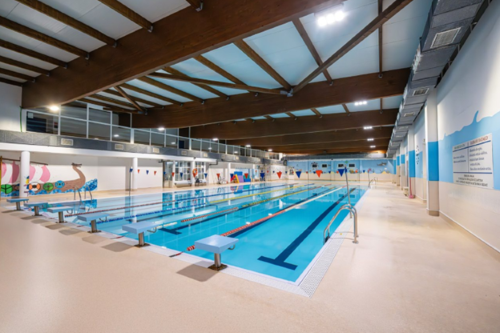
As renovation projects become more complex, early-stage planning and clear specification are proving to be essential.
Rather than focusing solely on materials, many project teams are taking a system-based approach—considering:
- Substrate condition and preparation
- Waterproofing strategy
- Surface performance requirements
- Installation expertise
- Long-term maintenance expectations
This shift is helping align architects, consultants, contractors and facility operators around a common goal: delivering a renovation that performs reliably over time.
Experience Matters in Commercial Environments
For contractors working in the field, one takeaway stands out:
The real difference between a successful project and a problematic one usually comes down to experience—both in the system you’re using and the team installing it,” Tanner explained.
That experience extends beyond installation to include design input, detailing and understanding how systems behave in real-world conditions.
Planning for Long-Term Performance
While every renovation project has its own constraints and priorities, the broader trend is clear: Commercial pool owners are placing increasing value on durability, safety and lifecycle performance.
Speed will always be a factor—but it is no longer the only one.
“At the end of the day, it’s not just about reopening the pool,” Tanner said. “It’s about making sure you don’t have to do it all over again a few years later.”
Across indoor, outdoor, municipal, competitive and recreational facilities, reinforced PVC membranes reliably address the core environmental and operational challenges of aquatic design: water loss, structural degradation, chlorine instability, ongoing repairs, frequent resurfacing, and unnecessary embodied carbon.
Learn More
Facility operators and project teams exploring commercial pool renovation options can make better decisions from the start by accessing detailed specifications, installation best practices and training resources. Reinforced PVC membranes have decades of proven performance across community pools, municipal aquatic centers and major international competitive venues—giving designers and facility managers a reliable path to improved sustainability and long-term facility performance.
— by Matthew Sands, RENOLIT
ABOUT THE AUTHOR
Matthew Sands is a sales engineer with RENOLIT and has more than 20 years of specialized experience in construction renovation, product installation and project engineering. His background includes working for one of Europe’s leading flooring manufacturers and supervising complex renovation projects such as the La Fenice Opera House in Venice and the LAC Cultural Center in Switzerland. At RENOLIT, Sands supports architects, installers and distributors across North America with technical expertise, field training, and system design guidance. Additionally, he trains international customers through RENOLIT’s Global Training Academies worldwide.
Story Sponsored by Renolit
